
GEO is an ongoing effort, not a one-time launch — if you want to systematically build up this capability, you can Overseas Growth Knowledge Base Go through the AI search-related articles in order; when unsure about investing, start with Go-Global Quote Calculator Estimate a budget.
I. Why the two are additive
| Dimension | SEO Requirements | GEO requires | Overlap? |
|---|---|---|---|
| Website quality | Ranking foundation | Source of truth | ✅ Shared |
| Content Updates | Indexing and rankings | Reference materials | ✅ Shared |
| Structured Data | Rich media display | Entity recognition | ✅ Shared |
| Authoritative endorsement | Backlink authority | Trust verification | ✅ Shared |
All four dimensions overlap. This means:Money spent on the overlap is spent once but delivers twice the results.
2. How to understand the 5:3:2 ratio
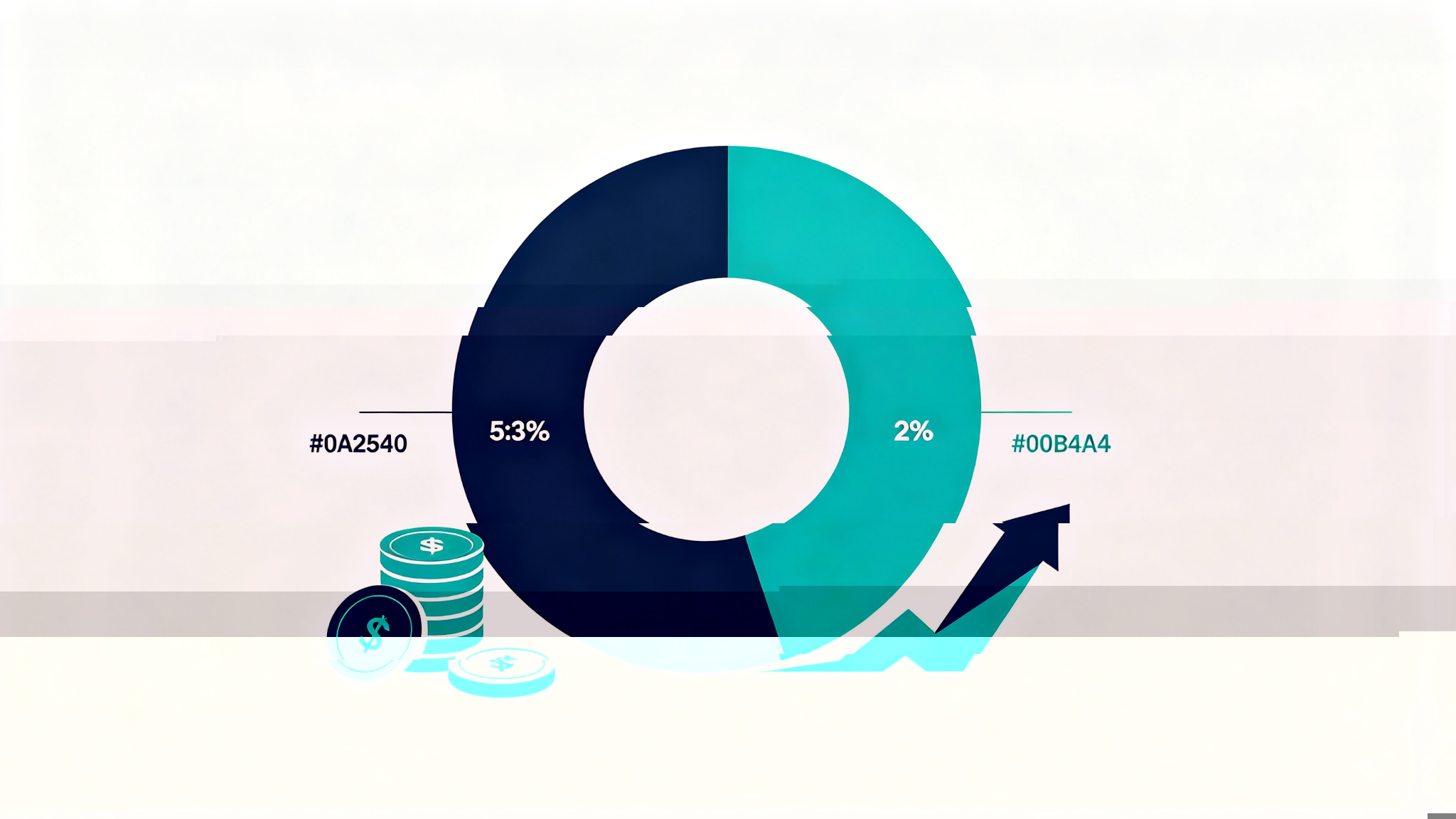
- 50% infrastructure: Website technical quality, content system, structured data, conversion paths — shared investments for both SEO and GEO;
- 30% SEO: keyword research, content production, link building and digital PR, ranking monitoring;
- 20% GEO: AI entry monitoring, entity reinforcement, citation content optimization, multi-entry adaptation.
This ratio assumes “the site is still relatively new or has a mediocre foundation.” Once the site matures, you can raise GEO to 30%, but We never recommend letting GEO far outweigh SEO—because GEO citations ultimately still need to land on a site that can capture them.
3. Adjust dynamically by stage
| Stage | Site status | Recommended ratio | Core actions |
|---|---|---|---|
| Startup phase (0–6 months) | New site/weak foundation | Baseline 60% + SEO 30% + GEO 10% | Lay the foundation, build the content, create the index |
| Growth phase (6–18 months) | Has a traffic base | Basics 40% + SEO 40% + GEO 20% | SEO scaling + GEO monitoring kickoff |
| Mature Stage (18+ Months) | Stable rankings | Base 40% + SEO 30% + GEO 30% | Dual-engine parallel amplification |
4. What if the budget is extremely limited?
- Website content quality—one investment that benefits both SEO and GEO;
- Structured data — free but professional, you can do it yourself;
- Fixed monitoring — monthly testing of question sets, at nearly zero cost;
- One external endorsement — start by targeting a single industry directory or media outlet to establish your first “external credibility point.”
Core judgment: The smaller the budget, the more you should invest in components shared by “both engines” rather than in a single channel.
| Budget tier | Foundation building | SEO | GEO | Priority actions |
|---|---|---|---|---|
| Small budget | 60% | 30% | 10% | Content + Schema + monthly testing |
| Medium budget | 50% | 30% | 20% | Content system + backlinks + multi-entry monitoring |
| Large budget | 40% | 30% | 30% | Full-funnel + digital PR + entity matrix |
SEO or GEO — Which Comes First?
Start with the shared fundamentals: website quality, content, and structured data. Then allocate effort based on each site’s status—new sites should focus on the basics, while mature sites should focus on GEO. At no stage is it advisable to go all-in on a single engine.
Is 5:3:2 fixed?
No, it’s a reference starting point. Adjust based on industry competition, site stage, and team capability — in highly competitive industries, SEO should take a larger share.
How long does it take to see results from GEO investment?
Citation growth is typically measured in quarters, but monitoring itself establishes a baseline from the very first month, so you know where your money is going.
What if a small team has no one dedicated to monitoring AI entry points?
Monitoring can be simplified: one hour per month testing a fixed set of questions to maintain a baseline, then expand once budget and staffing allow.
Will GEO replace SEO?
No. GEO citations still depend on content that is “searchable, verifiable, and authoritative” — exactly what SEO is building. The SEO budget isn’t being replaced; it’s being reused.